Honda has spent years watching Toyota, Hyundai and a wave of Chinese brands carve up the Australian EV market. Now it’s finally showing up — and it’s brought something genuinely unexpected.
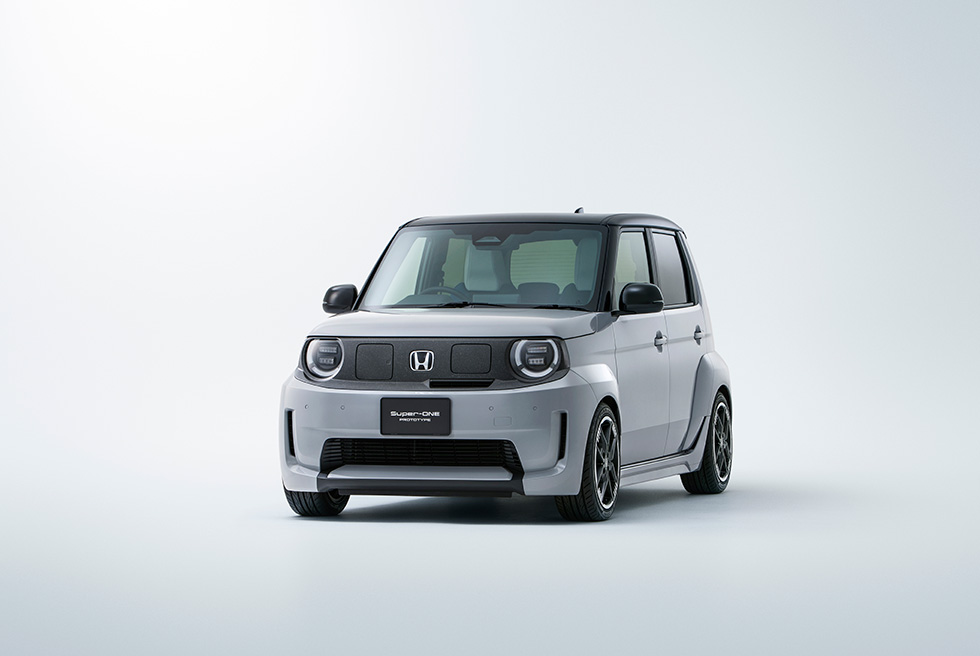
The Super-One isn’t a sensible family SUV or a corporate fleet special. It’s a tiny, wide-bodied city hatch with blister fenders, red brake callipers and a mode that fakes engine noise and gear shifts. For a brand that’s been frustratingly cautious about electrification, this is a surprisingly bold first move.
Small Car, Big Attitude
At under 3,600mm long and 1,600mm wide, the Super-One is genuinely compact — shorter than a BYD Atto 1 by nearly 400mm. It’s built on the same platform as Honda’s N-One e: kei car sold in Japan, but Honda has widened the body, fitted wider tyres and tuned the chassis specifically for markets outside Japan.
The result looks nothing like a typical city runabout. The squared-off proportions, prominent wheel arches and 16-inch Yokohama Advan Fleva tyres on black alloys give it a street-machine aesthetic that’s more hot hatch than grocery getter. Whether that translates to actual driving excitement is the real question — but at least Honda is trying something different.
The Numbers
The motor puts out 70kW and 162Nm, which sounds underwhelming until you factor in the 1,092kg kerb weight. That gives the Super-One a power-to-weight ratio of 64.1kW per tonne — better than the BYD Atto 1, BYD Dolphin and Hyundai Inster, as Drive.com.au confirmed after Honda Singapore released the figures ahead of the Australian launch.
Battery size and official range haven’t been locked in for Australia yet. The donor N-One e: runs a 29.6kWh pack good for around 295km, and Honda is expected to use something similar here. Dual charging ports sit at the front — one AC, one DC — with a 50kW fast charger capable of an 80% top-up in roughly 30 minutes.
Boost Mode Is Either Brilliant or Ridiculous
Honda has built something called Boost Mode into the Super-One, and it’s the most divisive feature on the car. Activate it and the power output increases, a simulated seven-speed automatic kicks in, fake engine sound fills the cabin in sync with acceleration, and the lighting changes to match the drama.
Honda’s own words, from their Australian media release: “when the driver steps down on the accelerator, the power output surges instantly, and just like in a conventional engine-powered vehicle, engine sound fills the cabin in sync with the feeling of the gears shifting.”
Purists will hate it. But Honda’s argument is that it makes the transition to electric feel less sterile for drivers who’ve spent their lives with petrol cars. Given that the Super-One is specifically designed to bring new buyers into the Honda EV ecosystem, it’s a calculated move rather than a desperate one.
Inside
The cabin is tight but thoughtfully laid out. Heavily bolstered bucket seats with blue racing stripes up front, a 9-inch touchscreen in the centre, and — refreshingly — physical buttons for the climate controls. The transmission selector and drive mode dial sit on a console below the dash rather than eating into the centre console space.
Rear seats fold flat for extra cargo room, and the battery sits under the floor to keep the interior as usable as possible. No spare tyre, just a repair kit, which is standard for EVs at this size.
Safety
Honda Sensing is standard across the range, covering adaptive cruise control, lane departure warning, pedestrian collision mitigation, traffic jam assist, speed sign recognition and automatic high beam. Six airbags and ISOFIX points for both rear seats round out the package.
Drive reported that Honda has acknowledged the Super-One may not achieve a five-star ANCAP rating, but confirmed that wouldn’t stop it from going on sale here. That’s worth keeping in mind if safety ratings are a priority for you.
What It’ll Cost
Honda hasn’t confirmed Australian pricing yet, but CarExpert spoke directly with Honda’s product lead at the Japan Mobility Show, who said it would be priced “quite a bit cheaper than the Civic” — which currently starts at $49,900 drive-away. Based on how Honda has positioned it against the BYD Dolphin in Singapore, CarExpert estimates a starting price in the mid-$30,000s. RACV’s analysis suggests it’ll likely sit near or below the HR-V Hybrid at $39,900.
Either way, it’ll be the cheapest new Honda you can buy in Australia — which is a strange sentence to write about a car with red brake callipers and fake gear shifts.
Why This Matters
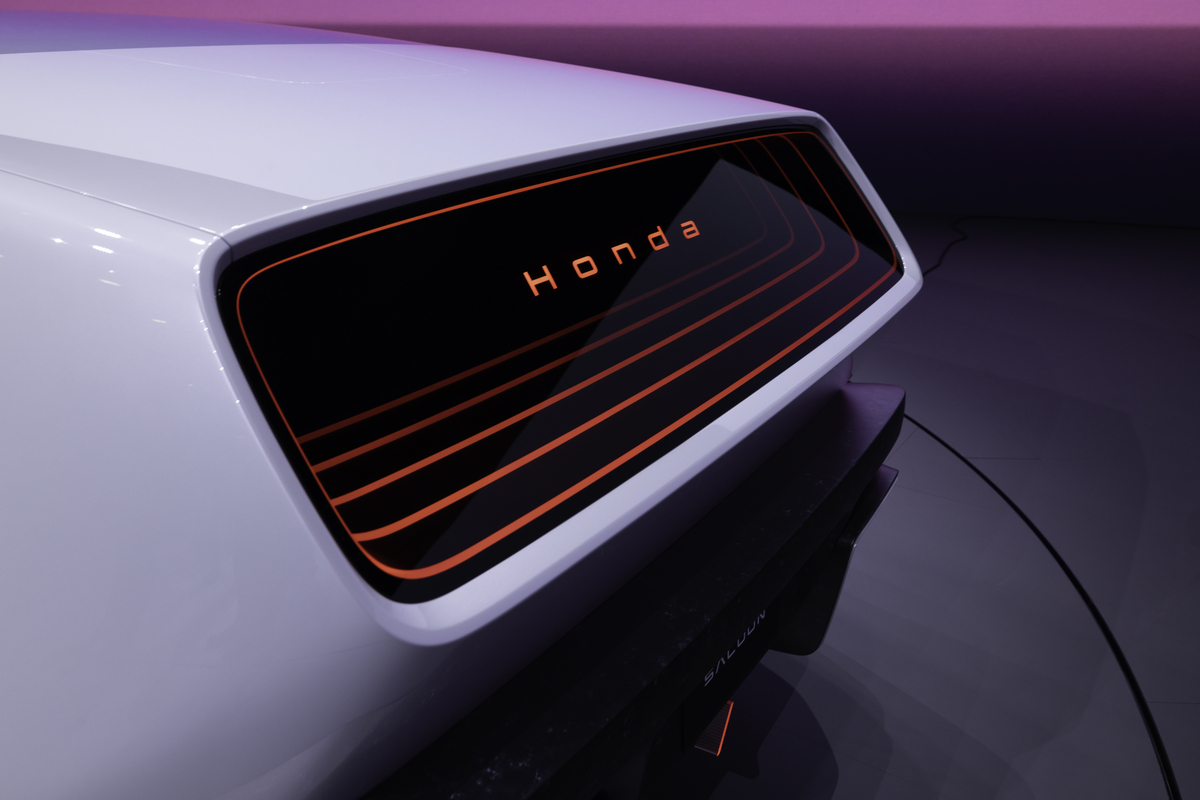
The Super-One isn’t going to outsell the BYD Atto 1 or the Hyundai Inster. Honda knows that. What it does is give Honda a foothold in the EV market, get dealers trained up, and start building the charging and service infrastructure before the bigger 0 Series models arrive from 2027.
Honda Australia’s managing director Rob Thorp has said publicly that he wants all of the 0 Series lineup — the 0 SUV, 0 Saloon and 0 Alpha — for local showrooms. The Super-One is the opening act.
For a brand that’s been absent from the EV conversation for too long, it’s a decent way to announce you’ve arrived.
The Super-One lands in Australian showrooms in Q4 2026.